How Can We Help?
Do you have any questions about the topic above? Our team of experts is here to help in answering any query you may have.


When purchasing a new property, one factor to consider is whether the property is leasehold or freehold. Most flats in central London are leasehold, so if you buy a flat in areas such as Belgravia, Mayfair or Westminster, there is a good chance the property will be leasehold.
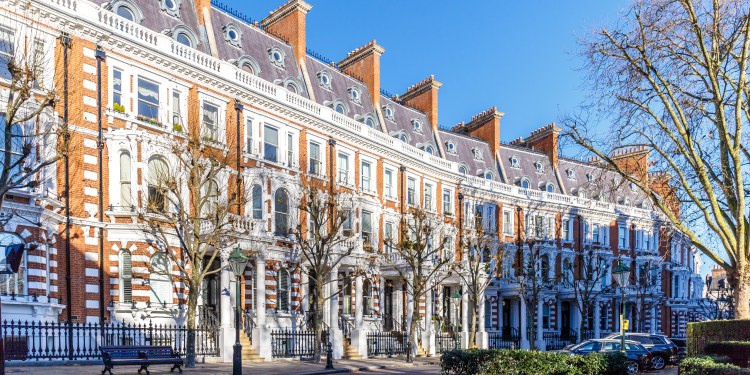
Whether the property is freehold or leasehold will affect your rights and responsibilities. For example, with a leasehold, you may have to pay service charges and other costs.
Therefore, it is a good idea to find out all the information you need before you put in an offer for the property. The estate agent should be able to provide you with most of the information about the lease.
If you buy a leasehold property, you do not own the land or building, and you have a lease agreement with the landowner (freeholder). The most common type of leasehold property is flats or apartments, where the freeholder owns the building.
When buying the flat, you enter a lease period, and under the lease terms you will pay ground rent to the freeholder.
If you buy a freehold property, you will own it outright, including the land on which it is built. Most houses in the UK are freehold but some are leasehold, including properties bought through shared ownership schemes.
There are advantages and disadvantages to buying a home that is leasehold:
Despite the potential pitfalls, people choose to buy leasehold properties for their lower selling prices and often excellent, central locations. With a higher than average percentage of leasehold properties in prime central London, it’s often practical to buy a leasehold apartment if you want to live in desirable areas such as Mayfair and Belgravia.
Following the Leasehold Reform (Ground Rent) Act 2022’s revision of the rules on ground rent, the new Leasehold and Freehold Reform Act 2024 introduced further updates for leaseholders. However, the bill was passed hastily ‘in the wash’ prior to the 2024 election, leading Labour to set a staggered roll-out. Revised right to manage provisions and the removal of the 2-year wait before buying the freehold of a leasehold house have already been implemented. Other measures, like action on service charges, remain in the works.
Whether the property is freehold or leasehold could significantly impact the costs you have to pay and the rights you have for having work completed.
Read on for the most important questions to ask when buying a leasehold property in central London.
When you buy a leasehold home, you must determine how many years remain on the lease. The lease term is important because it can be tough to get a mortgage on a property with a short lease, and the cost of extending the lease can increase considerably if the term drops below 80 years.
When you buy a leasehold apartment, you purchase the right to possess the property for the remainder of the lease period. When first drawn up, leases can run from anything between 99 and 999 years. As time goes on, the lease period reduces. When the leasehold term reaches zero years, the property ownership reverts to the freeholder.
The value of properties with short leases rapidly decreases. A residential lease with less than 80 years left constitutes a short lease. Mortgage lenders tend to require at least 90 years left on the lease, so that there is time to extend the lease.
If you are considering a leasehold property with less than 99 years remaining on the lease, consider extending it.
Currently, leaseholders have a legal right to extend their lease only after two years of living in the property. You can ask the seller to start the formal process to extend your lease and continue it yourself after purchasing the property.
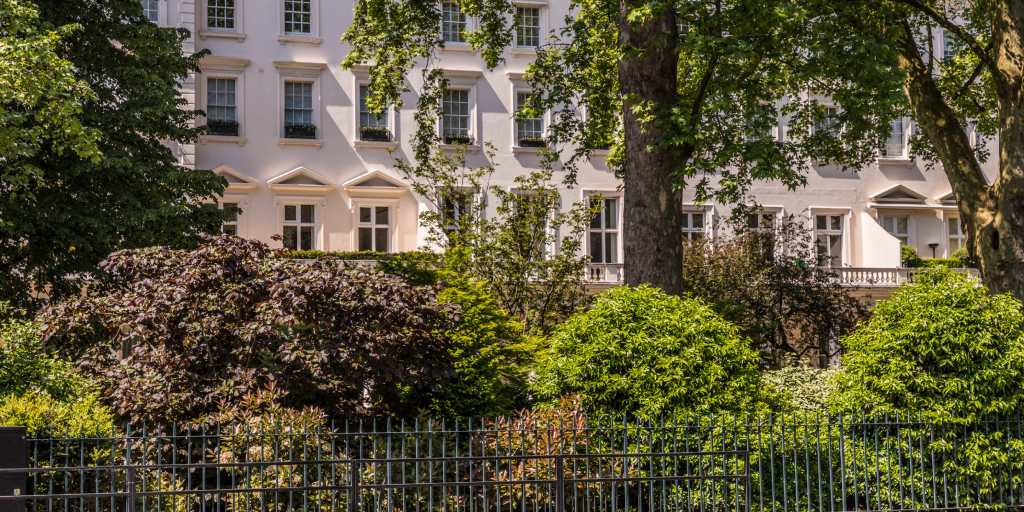
The costs of extending a lease are high and comprise the premium payable to the freeholder, legal expenses and taxes. If the lease has less than 80 years to run, the price is even higher as the leaseholder must pay the ‘marriage value’. The marriage value is the increase in the value of the apartment resulting from the lease extension.
New government reforms are in motion, but they still need to become law to make extending leases easier and cheaper for leaseholders. The proposals include:
Find out more about buying leasehold property in our recent blog – Freehold vs Leasehold – What is the Difference?
Typically, buying a share of freehold must be done through a collective group. For example, if four flat owners are in the building and want to buy a share of the freehold, they could each purchase 25% of the freehold.
The option to buy the freehold could be important in the future, so it is recommended to check whether the option for buying the freehold is set out in the lease.
Want to learn more about the central London area? You can explore central London schools near Belgravia and browse the best private members’ clubs near Belgravia.
Ground rent is traditionally a token fee paid to the freeholder in exchange for renting the land the property sits on. If you are required to pay ground rent, the lease will detail this.
Ground rent can increase over time, for instance, rising every ten years in line with the Retail Price Index (RPI). Increases in ground rent must be specified in the leasehold document, so make sure you look at this carefully. However, this should be limited to a ‘peppercorn rent’ according to new legislation gov.uk.
Most leaseholders will pay service charges to the freeholder or company responsible for managing the property. This covers all the activities needed to maintain the building, including building insurance, maintenance and repairs, provision of leisure facilities, concierge services, or additional security.
The service charge could be between a few hundred pounds and thousands of pounds per year for luxury apartment blocks. Ensure you understand when and how to pay the service charge and precisely what it covers.
Make sure you find any restrictions or consents stipulated in the lease. For instance, pets may not be allowed, or you may need permission to undertake home improvements or to run a business from your property.
There may be administration charges that the freeholder charges to the leaseholder for admin work they are required to do. This includes admin, such as providing a document, answering a query, granting an approval or dealing with late payments for ground rent. Check whether these charges apply and how much the freeholder charges for administration tasks.
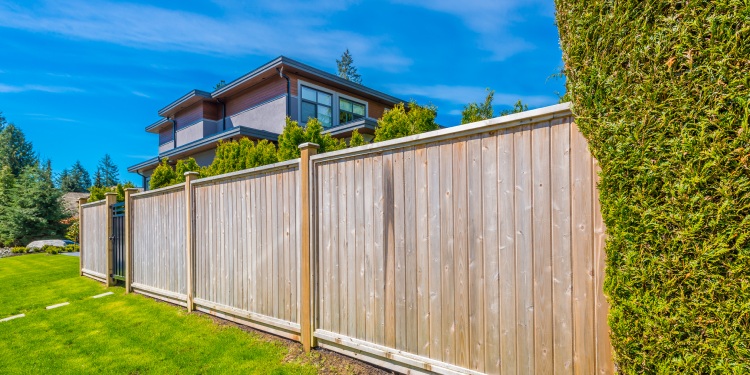
Determine if the seller or any previous owners have altered the property and ensure proper consent exists. Otherwise, you could be forced to pay the costs of obtaining the property consent from the freeholder.
With leasehold apartments or flats, property boundaries are more complicated than houses, where the whole property is contained within the boundary. The ‘demised premises’ refers to what is included in the ownership, such as the flat’s interior. Structural and external walls or roofs will not usually be included in the property boundaries for a flat.
Check that part of the service charge goes into a reserve or sinking fund. Sinking funds are helpful because they cover the cost of expensive maintenance work, such as replacing the roof or re-decorating the exterior and communal areas.
Find out if any significant work is planned and whether the sinking fund already covers the costs. Otherwise, you may become liable as the leaseholders share the costs. You would add a premium to your service charge.
Find out as much as you can about the management company, because it is their job to ensure the property, facilities, and communal areas are in good repair. Try to find out their reputation by internet searches or by asking other residents in the building.
If many leaseholders are in arrears, the standards of service you receive may deteriorate. You should also check any arrears owed by your seller, since they will become your responsibility following completion.
Leaseholders will usually be required to pay a share of the building’s insurance. That’s because the freeholder typically arranges the building’s insurance and divides the cost between the flat owners. This may be included in the service charges, but you should check whether this is true.
Leasehold properties can be just 75% of the price of equivalent freeholds. Those with a shorter lease can be cheaper still, but think long term there can be disadvantages to buying a leasehold property at this point, namely the potential costs and challenges of lease extensions.
The average legal fees are higher due to the additional stages of buying a leasehold flat, and the details they need to inspect. For example, your solicitor will check over the Deed of Covenant and the leasehold management information pack, and review any maintenance fees, service charges, ground rent and rent review clauses.
For free legal advice on leasehold properties, contact the Leasehold Advisory Service, which provides government-funded, independent advice for residential leaseholders.
For more information about leasehold property for sale in and around Belgravia or Chelsea, contact Best Gapp today.
Do you have any questions about the topic above? Our team of experts is here to help in answering any query you may have.
"*" indicates required fields

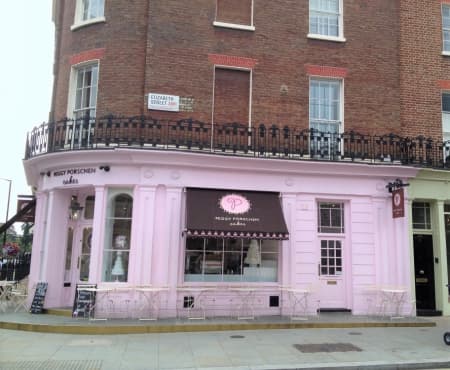
Flower-bedecked boutiques, brands rooted in the deepest British traditions, the smell of freshly baked bread in the air and white stucco ...

Find out which are the most expensive London areas with our updated list - you can discover the London boroughs where some of the world’s...

The London super prime property market is one of the strongest performing housing markets in the world and demand remains high despite so...