Looking To Sell Or Let Your Property?
Why Not Book A Free Property Valuation With One Of Our Local Area Experts? We Would Be Happy To Assist You.
Property Valuation
"*" indicates required fields


How energy efficient is your home? Cutting carbon emissions is big news, so whether you’re buying, renting, selling, or letting, you need to know about energy performance certificates (EPCs).

Energy performance certificates were introduced in 2013 and are now a legal requirement. Your EPC rating tells potential tenants how energy efficient your property is, and you can’t rent out your property without a valid certificate.
It is estimated that buildings produce half of the UK’s carbon emissions – double the environmental impact of cars and planes. So, as we all realise the need to lighten our carbon footprint, the home is an excellent place to start.
But London’s architectural heritage can add to the confusion. You may wonder where you stand if you own one of the period buildings that define Belgravia, Victoria and Pimlico, Westminster or Knightsbridge.
Read on to find out how to get an energy performance certificate, improve your EPC rating, and what happens if you own a listed property.
EPCs are needed whenever a property is built, sold or rented. Homeowners and landlords must order an EPC for potential buyers and tenants before marketing a property for sale or rent.
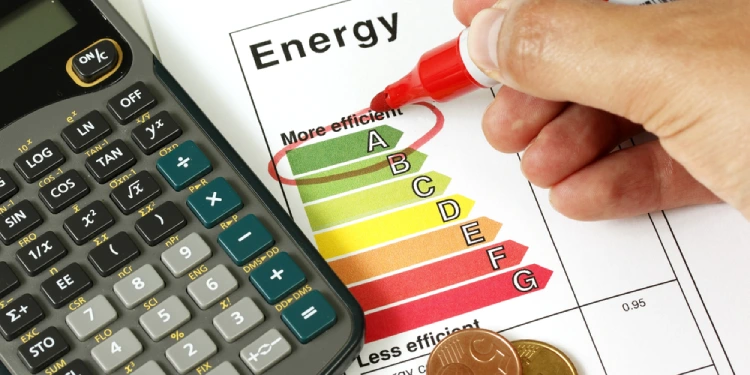
Your rental property’s EPC provides an energy efficiency rating between A (the most efficient) and G (the least efficient) and is valid for ten years. Instruct an accredited domestic energy assessor to conduct an EPC inspection to get your certificate. Once done, give your letting agent or estate agent a copy of your property’s report.
The EPC check takes under an hour. The assessor will carry out an internal and external assessment covering these areas of the property:
Find out how similar properties are rated on the gov.uk energy performance certificate register. The EPC register is free to use. Search for properties by their address or EPC report reference number, then see how your home compares.
EPCs are essential to landlords, tenants, buyers and sellers. In England, you need an EPC to sell your home, and a good EPC rating can attract buyers.
In Belgravia, for example, properties with a rating of C are typically worth 15% more than similar ones with a rating of E. An energy-efficient home with a high rating could be more economical. Properties with lower ratings could incur higher heating costs and have a more significant environmental impact.
EPCs are a legal requirement for landlords. As of 2018, domestic properties must have an EPC rating of E or above. The law covers existing rental agreements as well as new tenancies. If your property doesn’t meet the E rating or qualify for an exemption, you cannot rent it.
It’s a serious matter. You can be fined if you try to sell or let your property without a certificate.

You need to instruct an accredited domestic energy assessor to carry out the inspection and issue your EPC.
Want to know more about lettings? Read about buying property through a limited company in central London and find out how to calculate rental yield on a London property.
An EPC costs between £35 and £120. The exact price is often linked to the size of the property.
An EPC certificate contains key information about a property’s current energy efficiency, as well as recommendations for improvements to make the property more energy efficient.
The report includes:
A graph showing the overall current energy efficiency rating of the property alongside the potential rating if the recommendations are carried out. The energy ratings are on a scale of A to G.
This section covers the recommended measures that will have the biggest impact on improving energy efficiency. This includes the typical costs and the projected savings over 3 years.
A section that details all the elements of the property and details e.g. windows and whether they are double glazed. Each element is rated out of 5 for its energy efficiency.
A table displaying the estimated energy costs for heating, hot water and lighting. There is also a column for potential energy costs after improvements and a figure for potential savings.
A detailed list of recommendations on how to reduce energy use to save money, along with estimated costs for the energy efficiency improvements e.g. wall insulation.
This section indicates how much energy is required to heat your home and produce hot water. The figures are provided in kWh per year.
An energy performance certificate is valid for 10 years.
It’s not a pass or fail test, but the Minimum Energy Efficiency Standards (MEES) regulations for landlords mean you need a rating between A and E to let your property. The penalty for renting a property without an EPC is currently £5,000 but new EPC plans include a proposed increase to up to £30,000.
Stricter requirements for energy ratings in the private rented sector have been in the pipeline for some time. The current proposals include a requirement for rental properties to achieve a minimum EPC rating of C. This is set to apply to new tenancies from 2028 and for existing tenancies, the deadline is 2030. Of course, this is still subject to change and the government may revise these dates – so keep an eye on the news.
Another proposed change to the EPC requirements is the potential increase of the spending cap for EPC costs for improvements. The current cap of £3,500 could increase to £15,000. A £30,000 penalty for non-compliance with the EPC requirements could also be introduced.
The plans also include a change to the existing energy performance certificate (EPC) system to include heating systems, fabric performance and smart meter readiness.
You need a valid EPC to rent out a listed building, but property owners in areas like Knightsbridge, Pimlico and Belgravia may face restrictions on the changes that can be made. You’re certainly not alone. In fact, DCMS and Historic England estimate that there are 11,000 listed buildings in the City of Westminster.
Before selling or renting out a listed building, arrange an EPC report. Then seek advice from your local authority conservation officer on energy efficiency measures.
The challenge is making energy-efficient adaptations that won’t alter the character of your property. For example, double-glazed windows may not be appropriate. If you’ve made every acceptable effort, you can apply for an exemption from achieving an E rating.
Yes, when new properties are built, they require an EPC that is more comprehensive than a standard EPC. New build EPCs use a method called the Standard Assessment Procedure (SAP).
They provide calculations covering insulation and glazing, construction materials and architectural plans, and heating and ventilation systems.
New build EPCs are required in order to obtain approval from Building Control.
Want to know more about lettings? You can also read our residential block management guide for central London and discover what the Renters’ Rights Bill means for tenants and landlords.
Your EPC report makes suggestions of ways you could improve your EPC rating. Turn to the recommendations page for steps to improve energy efficiency performance. If you own a leasehold property, you may also need to contact the freeholder about energy-efficient changes affecting the property’s structure. Always check the provisions in the lease.
Here are a few ideas that could improve your rating:

Boost your energy rating by installing energy-saving lights – swap halogen spotlights for LED bulbs for an easy upgrade.
Loft insulation can be relatively affordable and easily installed. A quarter of heat is lost through the roof, so insulation may improve your potential rating – and save money on monthly energy bills.
Single-glazed windows can be responsible for 40% of the heat loss in your house. Modern high-performance double glazing will make a significant difference to the energy efficiency of a home.
Heating accounts for a large proportion of household energy use. Switching to a more energy-efficient boiler could cut heating bills and raise your rating.
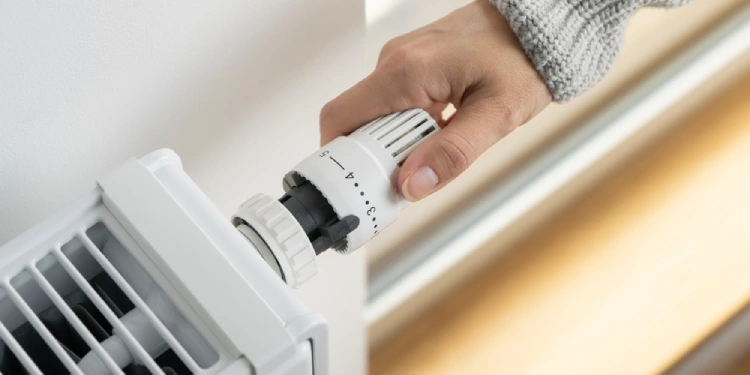
Installing heating controls such as thermostatic radiator valves can help to manage heating more efficiently. The valves cost around £5-£10 and can help control heating use by turning the valves up or down rather than having one consistent heat setting.
Adding solar panels or other innovative measures, such as biomass boilers, can improve your EPC score and are essential if you aim for the highest rating possible.
Make sure that there are no gaps around windows and doors and if there are, seal the gaps. You can also fit a brush, foam or rubber draught seal around door frames.
When it comes to upgrading appliances, choose the most energy efficient ones. Old fridge freezers, washing machines and dishwashers tend to use significantly more energy that the newer ones with high efficiency ratings.
Find out more about energy efficiency and EPCs on the government website gov.uk.
If you’re considering selling property in Belgravia, Knightsbridge, Mayfair, Pimlico, South Kensington or Westminster, and would like advice about EPCs, or any other aspect of marketing your home, contact Best Gapp today.
Why Not Book A Free Property Valuation With One Of Our Local Area Experts? We Would Be Happy To Assist You.
"*" indicates required fields
Do you have any questions about the topic above? Our team of experts is here to help in answering any query you may have.
"*" indicates required fields


As a Central London landlord, your chances of encountering overseas tenants are high. The international schools, consulate...

Buying property through a limited company can be more tax-efficient. We look at the pros and cons so you can decide if this is the right ...

Block management companies provide management services for residential leasehold buildings. Find out what they do and how to find a reput...