Looking To Sell Or Let Your Property?
Why Not Book A Free Property Valuation With One Of Our Local Area Experts? We Would Be Happy To Assist You.
Property Valuation
"*" indicates required fields


Buying a new home is one of the most exciting things you will ever do and one of the most significant financial commitments you will ever make.
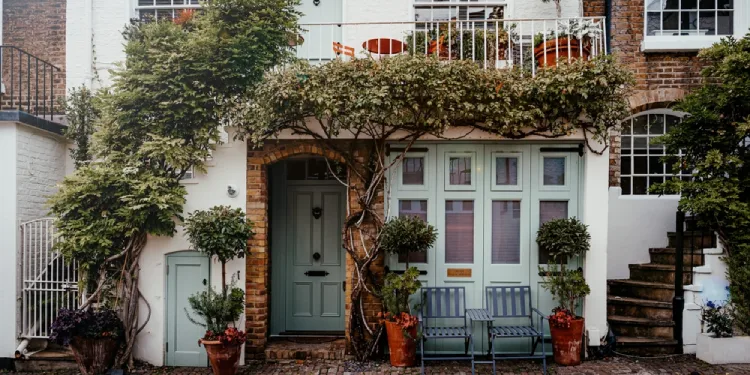
When you buy a property in Victoria, Knightsbridge, or Mayfair where properties range from new renovations to unmodernised period properties, selecting the correct home survey is crucial to highlight any potential problems.
There are several options to choose from, so choosing an appropriate survey is essential. We explain the key differences and share tips that could help you choose which type of survey you should have when buying a house in central London, including tips on how to arrange a survey, and the survey costs to account for.
A survey is an inspection of a property designed to inform the prospective buyer of any potential problems. The buyer will commission the survey from a qualified surveyor after their offer has been accepted. The main accrediting body for surveyors in the UK is the Royal Institution of Chartered Surveyors (RICS), two smaller organisations are the Residential Property Surveyors Association (RPSA) and Sava. All offer slightly different but roughly comparable home buyer surveys.
The average house price in Belgravia is £3.1 million. When spending this much money on a new home, a survey can feel like an unnecessary expense. However, house surveys can identify any significant problems that could be much more costly to fix.
Surveys also pick up more minor problems, which may not be deal-breakers but could give you leverage to negotiate on price. For instance, if an old boiler needs replacing or the roof requires repairs.
Arrange the house survey once your offer has been accepted, and certainly before you exchange contracts. How long it takes from the house survey to completion will depend on what it uncovers, so the sooner the better. Bear in mind that surveyors are sometimes dealing with a backlog of inspections, especially at peak times of the buying season. This means that you may need to wait a couple of weeks (or more) before they can assess the property.
Homebuyers who use a mortgage to fund their purchase often believe that their lender’s standard valuation provides all the protection they need. In the majority of cases, they are mistaken.
Mortgage valuations typically take around 15 minutes to complete and sometimes don’t involve someone actually visiting the property. They are designed to give the mortgage lender confidence that the property is worth roughly what you are paying for it.
Mortgage valuations are often called valuation surveys, this is misleading. As a type of property survey, mortgage valuations are very limited in scope and are unlikely to uncover any defects.
Unless you are purchasing a new-build home that comes with a 10-year warranty, property purchasers are better off commissioning a Condition Report, HomeBuyer Report or Building Survey.
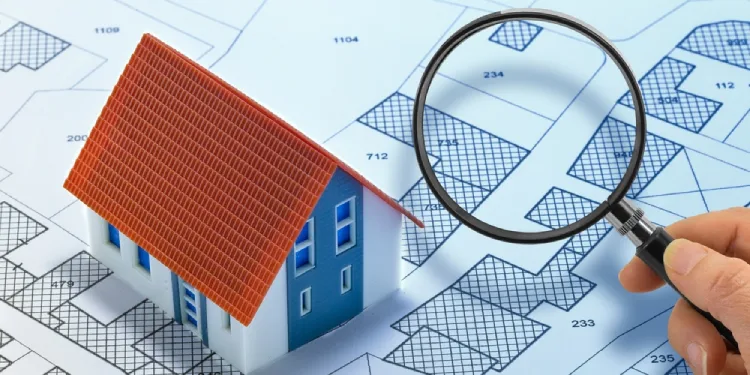
There are three types of homebuyers surveys. What surveyors look for in a house survey will vary depending on the type you opt for. We will look at each in turn so that you can decide which type of survey you need.
Previously called a Condition Report, a Level 1 house survey provides traffic light-style indications of the state of various parts of the property. Green means everything is OK, orange is some cause for concern and red means serious repairs are vital. However, it won’t include advice on how to remedy any problems, or costings.
It will usually cover:
Cost: £500 to £950
Best for: Standard, modern properties that are in a good condition.
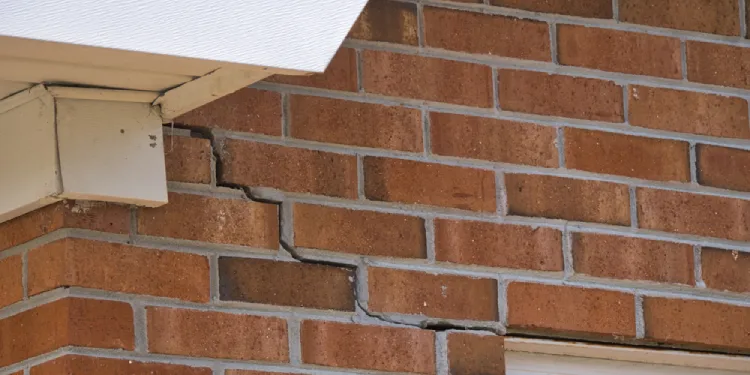
A HomeBuyer Report is an intermediate level of survey. The surveyor will conduct a visual inspection to assess the general condition of the main elements of the property. This survey is non-intrusive, so no tests of the property’s fabric are included. You can opt to have a Homebuyer Report with and without a valuation.
The HomeBuyer Report or Level 2 house survey checklist should cover:
Cost: £500 – £1000
Best for: Conventional homes built no more than 150 years ago and appear to be in reasonable condition.
Also known as a Building Survey or Full Structural Survey, a Level 3 house survey is the most comprehensive available for residential homes. It will provide a detailed evaluation of a property’s condition – vital if you are buying an unusual or older property – and an expensive one at that.
A Building Survey is carried out by a chartered surveyor with Royal Institute of Chartered Surveyors (RICS) accreditation, who will produce a report describing the condition of each element of the property. The surveyor will actively search for any structural problems or defects.
Unlike a HomeBuyer Report, Building Survey reports do not have a standard format, which means the surveyor can tailor the investigation to suit a property purchaser’s needs. You can also ask the surveyor to include estimated costs and timings of any repair work identified.
It will typically cover:
Cost: £700 – £1,500
Best for: Purchases of older houses, those that have undergone renovation, or run-down properties in need of major work. It is also valuable to have this type of survey for a high value property, where repair costs might reach eye-watering figures. Building surveys are generally not carried out on flats.
Unlike a standard survey, a home survey for probate prioritises valuing the property accurately for probate purposes and to calculate the Inheritance Tax due. It won’t highlight defects, beyond their impact on the property’s market value.
Even the highest level of survey will not cover the electrics, plumbing or gas, which require a specialist. Check exactly what is covered, as surveyors may offer options such as ‘Level 2 Plus’ or ‘Level 3 Max’, which sit between the standard levels.
If you are purchasing a new-build home it will probably come with a 10-year warranty, so a traditional survey is unnecessary. However, new build homes often have minor defects, called snags, which you must itemise and report to your house builder. If you don’t want to do this yourself, hire a company to undertake a snagging survey for you. Expect this to cost around £300.
It is disappointing to receive a bad survey on a property you have fallen in love with. Bear in mind, they will almost always find faults. It is the surveyor’s job to identify problems so that you understand what you are buying.
Having identified those red flags on your surveyor’s report, you have several options. First, talk through any issues with your surveyor. If significant problems have been identified, we suggest you:
Research by the HomeOwners Alliance suggests that a third of buyers who instructed a survey successfully negotiated as a result.
Prepare a matter-of-fact document setting out the repair quotes. You may also research comparable homes in the area, comparing their house prices and condition with the property you are buying.
The time varies depending on the size of the property, type of survey and delays in gaining access. It may take 1-2 hours for a simpler survey – a house survey at Level 2 or 3 could take up to 8 hours.
The best way to find a good surveyor is through personal recommendation. If this is not possible, look on the RICS, RPSA or Sava websites. Alternatively, you could ask your lenders surveyor to do a homebuyer survey when they carry out the mortgage valuation.
Check that they can carry out the survey within your timescale. Ask to see example reports of the type of survey you require, to ensure that the report will be helpful to you.
Purchasing a property in Belgravia, Chelsea, Pimlico, South Kensington or Westminster delivers a range of lifestyle benefits. For expert help finding your perfect property in prime central London, contact Best Gapp today.
Why Not Book A Free Property Valuation With One Of Our Local Area Experts? We Would Be Happy To Assist You.
"*" indicates required fields
Do you have any questions about the topic above? Our team of experts is here to help in answering any query you may have.
"*" indicates required fields


Many London landlords need to use Making Tax Digital for Income Tax for the current tax year, but not all have enrolled.

The government’s housing minister has given verbal confirmation that letting agents can assist landlords with the new Private R...

Westminster City Council’s additional licensing scheme for Houses in Multiple Occupation (HMOs) has been renewed, taking effect on 31 Aug...